

The Hijacking of the Message
A Hard Look at Paul

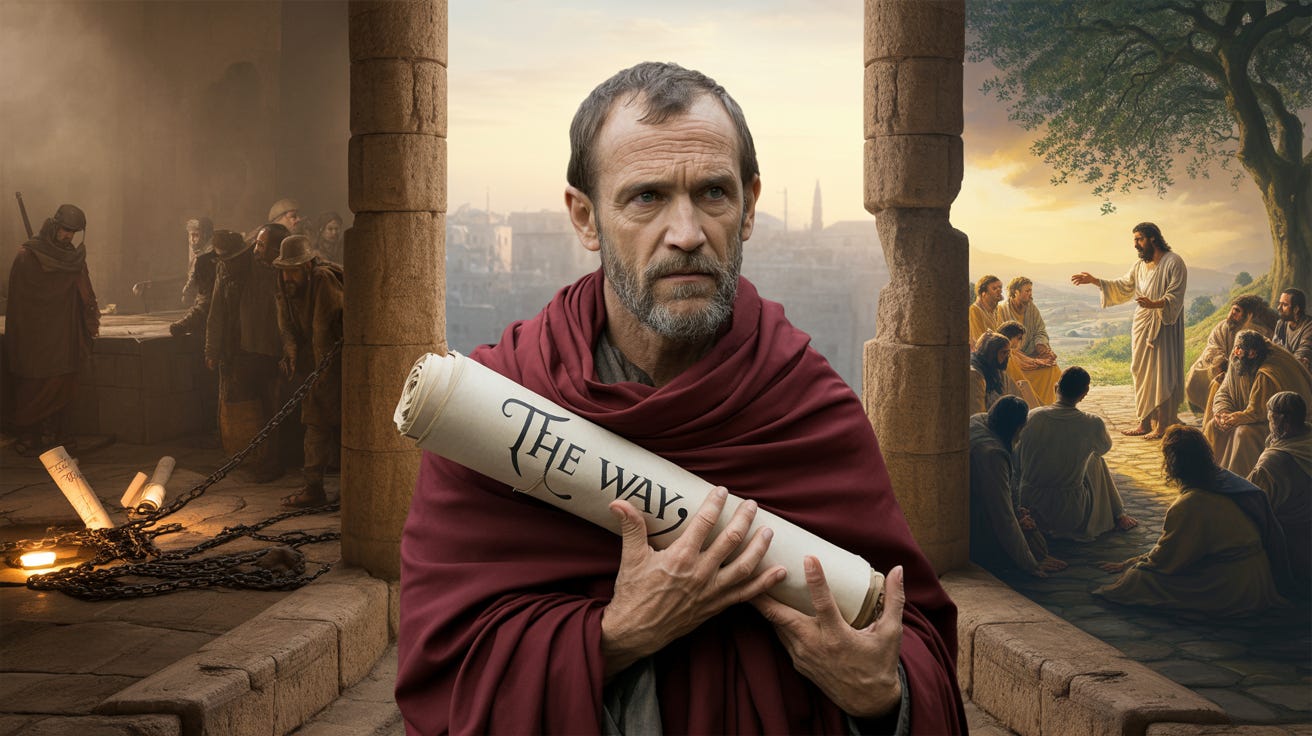
There’s a man most churchgoers treat like the MVP of the New Testament. His name was Saul, later changed to Paul, and he’s credited with writing nearly half of the New Testament. But before we go slapping gold stars on his halo, maybe it’s time we sit down and take a serious look at who this man really was—and how his message deviated from Yeshua’s original teachings.
From Hunter to Apostle: A Radical Conversion
Let’s not forget—Paul didn’t start off as some humble disciple. He was a hunter. A man on a mission to root out followers of The Way—that’s what early followers of Yeshua called themselves. And he wasn’t just some guy in the background. He was front and center in the persecution. According to Acts 8:1, he was present at—and approving of—the stoning of Stephen, the first recorded Christian martyr.
Paul was a Pharisee, trained under Gamaliel, one of the top scholars of the day. He was deeply embedded in the religious power structures Yeshua came to challenge. Then, according to his own story, he had a sudden vision on the road to Damascus, saw a blinding light, and boom—did a full 180.
Now I’m not saying people can’t change. They can. But we’d be foolish not to at least question how a man who never walked with Yeshua in the flesh ends up becoming the main voice of Christianity.
Paul's "Gospel" vs. Yeshua's Teachings
Here's where it gets messy. Yeshua preached a gospel of inner transformation, radical love, forgiveness, and the Kingdom within. He taught that the Divine was already present in us—that we didn’t need temples or priests to connect with the sacred. He challenged power, hierarchy, and blind obedience to religious law.
But Paul?
Paul brought the law right back in through the back door. He re-centered the conversation around sin, guilt, and salvation through belief in a sacrificial death. He turned Yeshua into a cosmic blood offering rather than a teacher of divine truth. He shifted the focus from following the example of Yeshua's life to believing in his death.
And let’s be honest—Paul's letters are where most of modern Christian doctrine actually comes from. Not from Yeshua. Not from Mary Magdalene. Not even from the earliest gospel writers. From Paul.
Who Gave Him Authority?
It’s wild when you think about it—Paul constantly defended his own authority in his letters. He clashed with Peter. He dismissed the actual disciples who walked with Yeshua. He said things like, “I did not receive [the gospel] from any man, nor was I taught it; rather, I received it by revelation.” (Galatians 1:12)
So we’re basing a major portion of Christianity on one man’s personal vision? A man who never sat at the feet of Yeshua, who never heard a parable from his lips, who spent the first part of his life killing the very people trying to spread that message?
Y’all… that’s not just suspicious. That’s a hostile takeover.
The Birth of Churchianity
Much of what people think of as "Christianity" today is actually Paulianity. Church hierarchy, submission of women, the demonization of sexuality, the obsession with sin and punishment—most of that doesn't come from Yeshua’s mouth. It comes from Paul’s pen.
He institutionalized a mystical, revolutionary message. He turned an inner path of awakening into a belief system that could be codified, regulated, and—conveniently—used to control the masses.
That’s not faith. That’s empire.
So What Now?
I’m not saying throw out every word Paul ever wrote. He had moments of brilliance, just like any human. But if we’re going to follow the path of Yeshua—the real path—then we have to be willing to question everything. Including the man who claimed to be his mouthpiece… after the fact.
The truth is, Yeshua's message was hijacked. Twisted into something more palatable for institutions and less threatening to power. If you feel like the church’s version of the gospel doesn’t quite match the voice of the Teacher you’ve come to love… you’re not crazy.
You're waking up.
And that’s the start of everything.