

The Shroud of Turin: Statue, Savior, or Something Stranger?
New 3D modeling research reignites debate over Christianity’s most mysterious relic

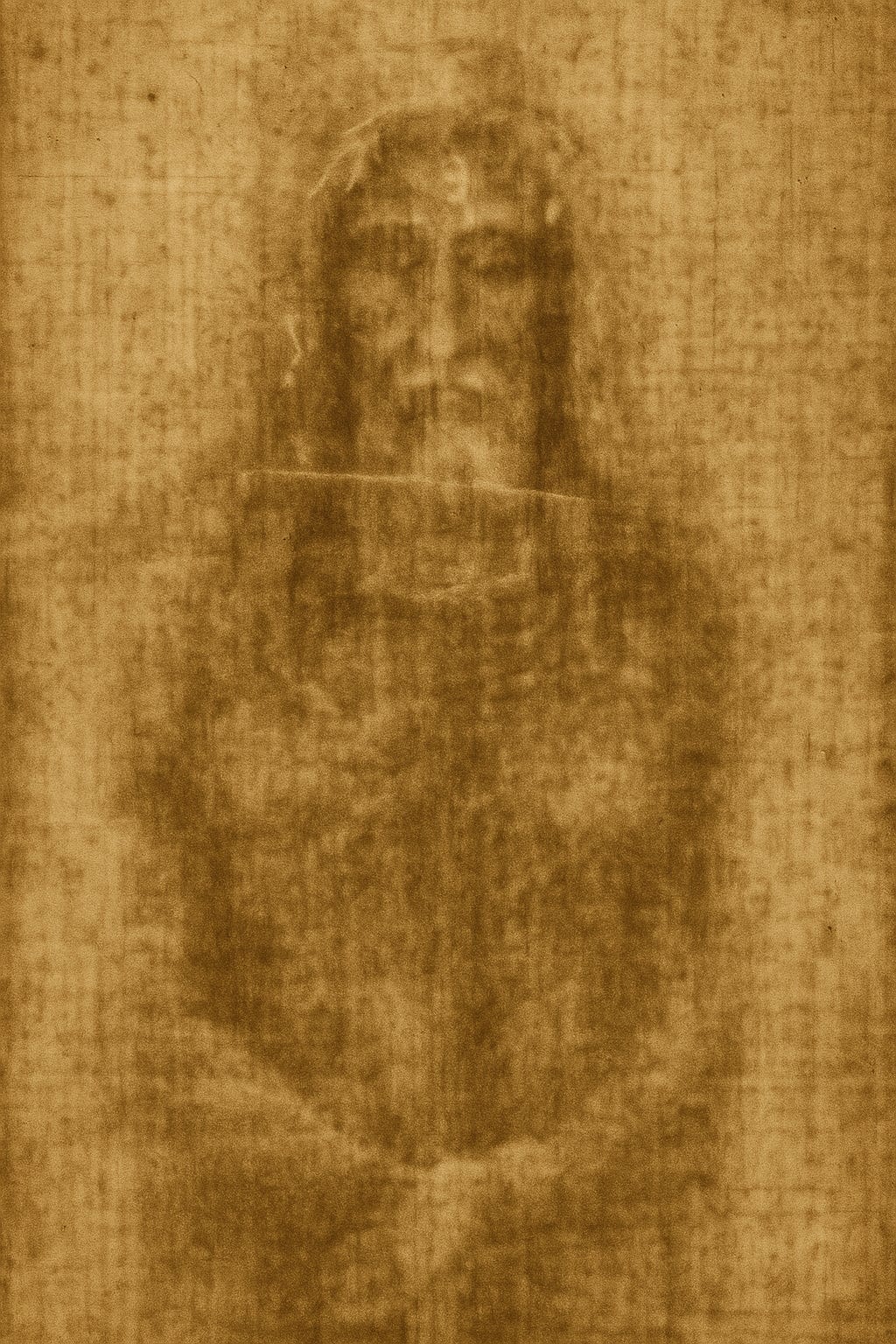
For centuries, the Shroud of Turin has been one of Christianity’s most hotly debated artifacts — believed by many to be the cloth that once covered Jesus Christ’s body after the crucifixion. But a new study suggests it may not have touched a human body at all.
Published in the journal Archaeometry, Brazilian 3D designer Cicero Moraes’ research supports the idea that the shroud might have been a work of art rather than an actual burial cloth. And here’s the twist: Moraes’ data points to it being modeled over a statue, not a person.
Using advanced digital tools — MakeHuman, Blender, and CloudCompare — Moraes compared how a cloth would drape over both a real human body and a low-relief statue. The results were striking. When modeled over a statue, the contours matched the shroud’s famous image far more closely. Draped over a 3D human model, the cloth produced a distorted, unrealistic imprint.
If true, Moraes’ findings would fuel an already fiery scholarly dispute over the shroud’s origins. In 1989, radiocarbon testing dated the cloth to the 14th century — long after Jesus’ lifetime. But in 2005, American chemist Raymond Rogers suggested the tested sample came from a later patch. In 2022, Italian researchers used X-ray dating on a single fiber and found it dated to the first century CE, much closer to the time of Christ.
That leaves the shroud’s true story still up in the air. Some scientists see it as authentic; others, like Moraes, think it’s an artistic creation designed to represent Christ. In 2018, researchers from Italy and the UK even argued that the bloodstains on the shroud were anatomically implausible for someone lying flat — suggesting they were added later as visual effects.
Moraes himself isn’t speculating on the shroud’s age. Instead, he focuses on how digital tools can shed light on historical mysteries.
“This work not only offers another perspective on the origin of the Shroud of Turin's image,” he says, “but also highlights the potential of digital technologies to address or unravel historical mysteries, intertwining science, art, and technology in a collaborative and reflective search for answers.”
In other words, the Shroud of Turin is still keeping its secrets — but technology might just be closing in.